Why Is Homeownership Declining in Australia?
9 January 2025
Explore the key reasons behind Australia's declining homeownership rates, from soaring property prices and stagnant wages to the growing deposit gap. Discover how Occubuy is helping to reverse this trend.
Why Is Homeownership Declining in Australia? Understanding the Shifting Landscape
The "Great Australian Dream" of owning a home has long been a defining aspiration. Yet, for many, this dream feels increasingly out of reach. Recent statistics confirm what countless Australians are experiencing firsthand: homeownership is declining in Australia, particularly among younger generations.
This isn't just a perception; it's a significant societal shift with profound implications. So, what's behind this worrying trend? Let's delve into the core reasons why fewer Australians are able to secure their own piece of the property pie.
The Affordability Crisis: The Elephant in the Room
The most prominent factor driving the decline in homeownership is undoubtedly the housing affordability crisis in Australia.
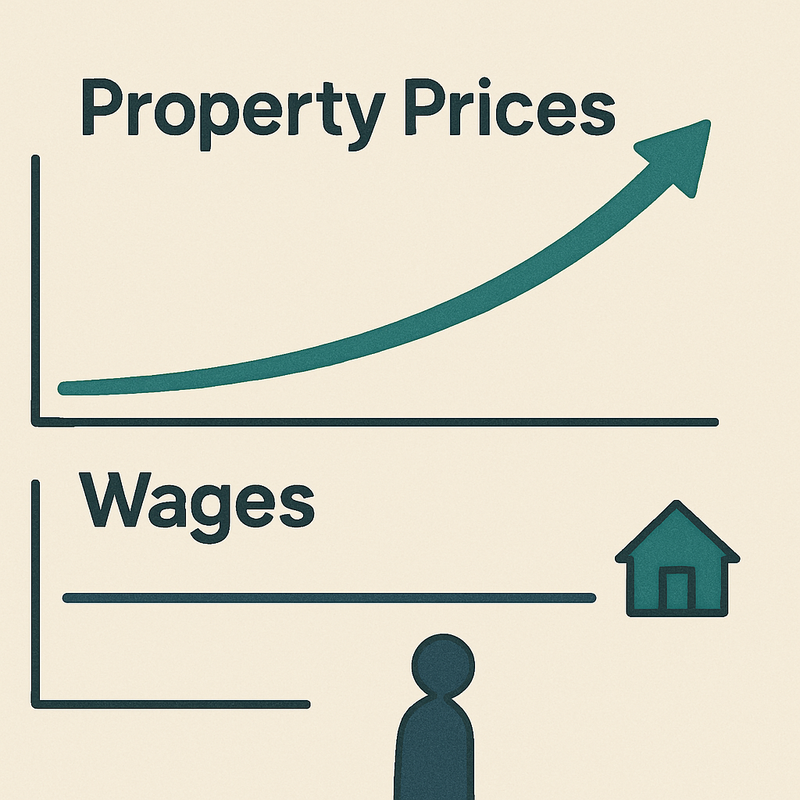
- Skyrocketing Property Prices: Over the past few decades, Australian house prices, especially in major capital cities like Sydney and Melbourne, have surged dramatically. This growth has far outstripped the average income, making the entry point into the market incredibly high. As of March 2024, the average house price in Australia was around $959,300.
- The "30% Rule" Under Strain: A common benchmark for housing affordability, often cited by organisations like the OECD, suggests that housing costs should not exceed 30% of a household's gross income. Nationally, the proportion of median household income needed to service rents has already climbed to 30.8%, indicating widespread rental stress. For mortgage holders, the portion of income required to service a new mortgage has risen even more dramatically in recent years.
The Wage-Rent-Price Disparity: A Widening Gap
One of the most frustrating aspects for aspiring homeowners is the stark imbalance between income growth and housing costs.
- Stagnant Wage Growth: While property values have soared, wage growth in Australia has largely stagnated or grown at a much slower pace. Over the last five years (June 2020 - June 2025), nationwide rents have increased by an average of $10,920 annually, while the average Australian's pay has only gone up by about $3,000. This means rents have climbed more than three times the rate of wage increases.
- The Deposit Gap: This disparity directly impacts the ability to save a sufficient deposit. When a significant portion of your income is consumed by rising rent, and your wages aren't keeping pace with escalating property prices, accumulating the recommended 20% deposit becomes an increasingly monumental task. It now takes around 10 years on average to save for a 20% house deposit in Australia.
Other Contributing Factors
Beyond the core affordability issues, several other factors contribute to the declining homeownership rate:
- Supply Shortages: A persistent lack of new housing supply, coupled with factors like slow planning approvals and rising construction costs, means demand continues to outstrip supply, pushing prices higher.
- Investor Dominance: Tax incentives like negative gearing and capital gains tax discounts can make property investment attractive, leading to increased competition for first home buyers.
- Stringent Lending Criteria: Banks have become stricter with lending criteria, requiring larger deposits and more consistent income verification, which can be particularly challenging for gig workers in Australia or those with non-traditional employment.
- Demographic and Lifestyle Shifts: While affordability is key, some argue that changing lifestyle priorities among younger generations (e.g., valuing experiences over assets, career mobility, preference for urban living) also play a role in delaying homeownership. However, for many, these are choices born out of necessity rather than preference, as they are simply priced out of the market.
The Impact of Declining Homeownership
A decline in homeownership has broader societal implications, potentially leading to:
- Increased wealth inequality, as property owners benefit from capital growth while renters do not.
- Reduced financial security in retirement for those without property assets.
- Less community stability due to higher tenant turnover.
Occubuy: A New Path to Reverse the Trend
The challenges are real, but the dream of homeownership doesn't have to die. Occubuy was founded precisely to address these systemic barriers and make homeownership accessible again for aspiring Australians.
Occubuy: Convert Your Rent Into Your Home Deposit.
We directly tackle the core reasons for declining homeownership by:
- Turning Rent into Equity: We transform your largest monthly expense into a tangible asset, allowing you to earn OccuPoints that directly contribute to your home deposit.
- Accelerating Your Savings: Through personalised insights from Open Banking and strategic partnerships, we help you save more efficiently and identify opportunities to stretch your dollar further.
- Providing a Clear Pathway: We demystify the complex process, offering a personalised roadmap that integrates your savings, OccuPoints, and potential government grants to get you into your home faster – potentially up to 3X faster.
- Building Your Financial Profile: Your consistent rental payments build your Occubuy Score, a valuable financial passport that demonstrates your reliability to lenders and future landlords.
Don't let the daunting statistics of declining homeownership deter you. Occubuy offers a proactive, innovative solution to help you beat the odds and secure your place on the property ladder.
Ready to start your journey to homeownership?